

“Are floating staircases safe?” is a very common question homeowners ask when considering a modern staircase design. While floating staircases appear visually light and minimalist, they are engineered with sophisticated structural systems that meet strict safety standards and building code requirements.
Today’s floating staircases are found in luxury homes throughout Nashville, Brentwood, Franklin, Belle Meade, and across Middle Tennessee. When professionally engineered and installed, floating staircases can provide the same level of safety and durability as traditional stair systems while delivering a striking architectural appearance.
Our experts explain how floating stairways are engineered, what building codes apply, and what Nashville, TN, homeowners should know before investing in a custom staircase project.
Key Takeaways on The Safety of Floating Staircases
- Floating staircases are safe for everyday use when they are properly engineered, fabricated, installed, and designed to meet applicable building code requirements.
- Hidden steel supports, cantilever engineering, structural load calculations, and code-compliant railings allow floating staircases to feel stable while maintaining their open, minimalist appearance.
- Families with children or pets can still choose floating stairs by incorporating safety features such as tempered glass guardrails, secure handrails, non-slip treads, and child-safe spacing.
Are Floating Staircases Safe for Everyday Use?
Yes, floating staircases are safe for everyday residential use when they are properly engineered, fabricated, and installed.
Although the staircase may appear to float, hidden structural supports carry the weight of the stairs and the people using them.
Professional staircase builders design floating staircases to:
- Support required structural loads.
- Meet local building codes.
- Maintain long-term stability
- Prevent excessive movement or deflection.
- Provide safe walking surfaces.
The safety of a floating staircase depends on proper engineering, quality materials, and professional installation.
Understanding Floating Staircase Safety
Floating staircase safety begins with structural planning.
Unlike traditional staircases that rely on visible stringers, floating staircases often use concealed support systems hidden within walls, beneath treads, or inside steel frameworks.
These systems are specifically engineered to support:
- Daily foot traffic
- Residential live loads
- Structural movement
- Long-term wear and use
When properly designed, floating staircases can remain safe and structurally sound for decades.
How Floating Staircases Are Engineered for Safety
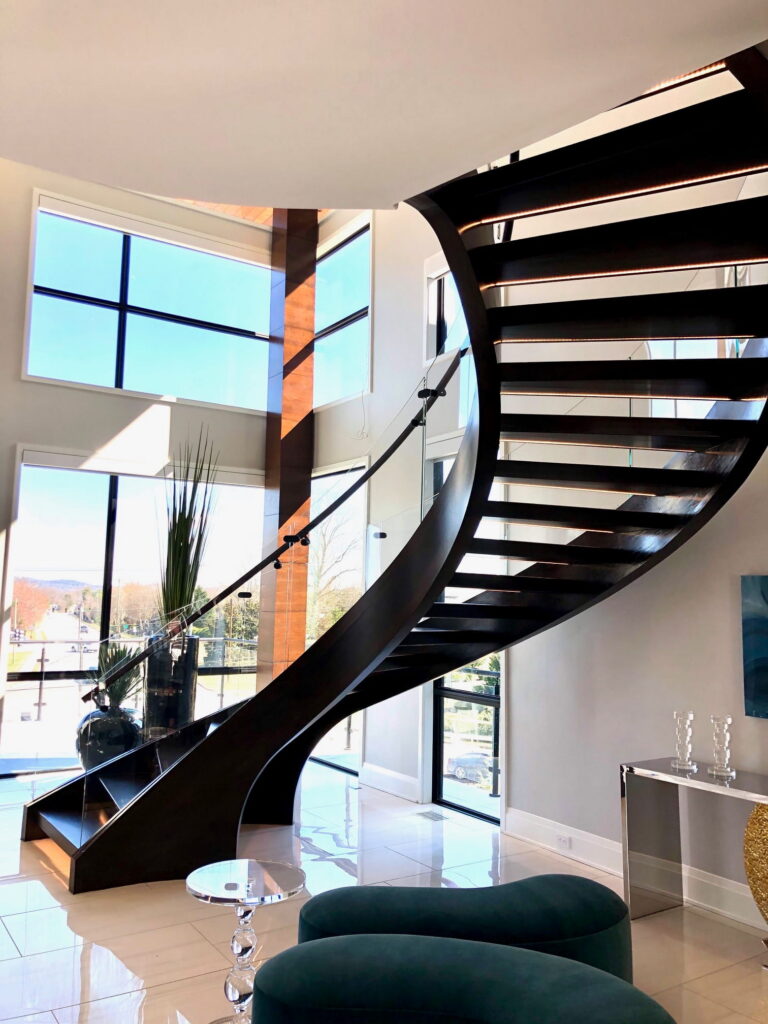
One reason floating staircases have become popular in Nashville luxury homes is the advancement of modern staircase engineering.
Hidden Steel Support Systems
Many floating staircases utilize concealed steel structures embedded within walls or hidden beneath the stair treads.
Benefits include:
- Exceptional strength
- Structural stability
- Long-term durability
- Minimal visual impact
Cantilever Engineering
Cantilevered staircases are supported on only one side.
While this creates the illusion of floating treads, sophisticated engineering calculations ensure each tread can safely support weight without movement or failure.
Structural Load Calculations
Engineers evaluate:
- Stair dimensions
- Material selection
- Wall construction
- Building framing
- Load requirements
These calculations help ensure the staircase meets safety standards and performs reliably over time.
What Staircase Building Codes Apply to Floating Staircases?
Building code compliance is essential for every floating staircase installation.
Although code requirements vary by jurisdiction, most staircase building codes address:
Tread Depth
Adequate tread depth helps reduce slips and improve stability.
Stair Width
Minimum widths ensure safe movement between levels.
Riser Spacing
Open riser staircases must maintain code-compliant tread spacing.
Handrails
Handrails provide additional support and improve user safety.
Guardrails
Guardrails help prevent falls and are especially important for elevated stairways.
Professional staircase designers ensure compliance with all applicable building code requirements before fabrication begins.
What Safety Features Improve Floating Staircase Safety?
Modern floating staircase safety relies on several important design features.
Tempered Glass Railings
Compared to standard glass, tempered glass provides superior strength and is specifically manufactured to withstand higher levels of impact and stress.
Benefits include:
- Improved visibility
- Fall protection
- Contemporary aesthetics
- Enhanced durability
Cable Railings
Cable rail systems offer safety while preserving open views.
Advantages include:
- Modern appearance
- Minimal visual obstruction
- Strong structural performance
Non-Slip Stair Treads
Many luxury staircases incorporate textured or specially finished treads.
Benefits include:
- Improved traction
- Reduced slip risk
- Increased user confidence
Child-Safe Spacing
Open riser staircases can be designed to meet spacing requirements that help improve safety for children.
Professional designers carefully evaluate riser openings during the design process.
Are Floating Staircases Safe for Families and Pets?
Many homeowners assume floating staircases are only suitable for adults, but properly designed systems can work well for families and pets.
Safety considerations may include:
- Tempered glass guardrails
- Child-safe riser spacing
- Secure handrail systems
- Non-slip tread materials
- Adequate stair width
For homeowners with young children or pets, discussing specific safety goals during the design phase can help ensure the staircase meets household needs.
Common Myths About Floating Staircases Safety
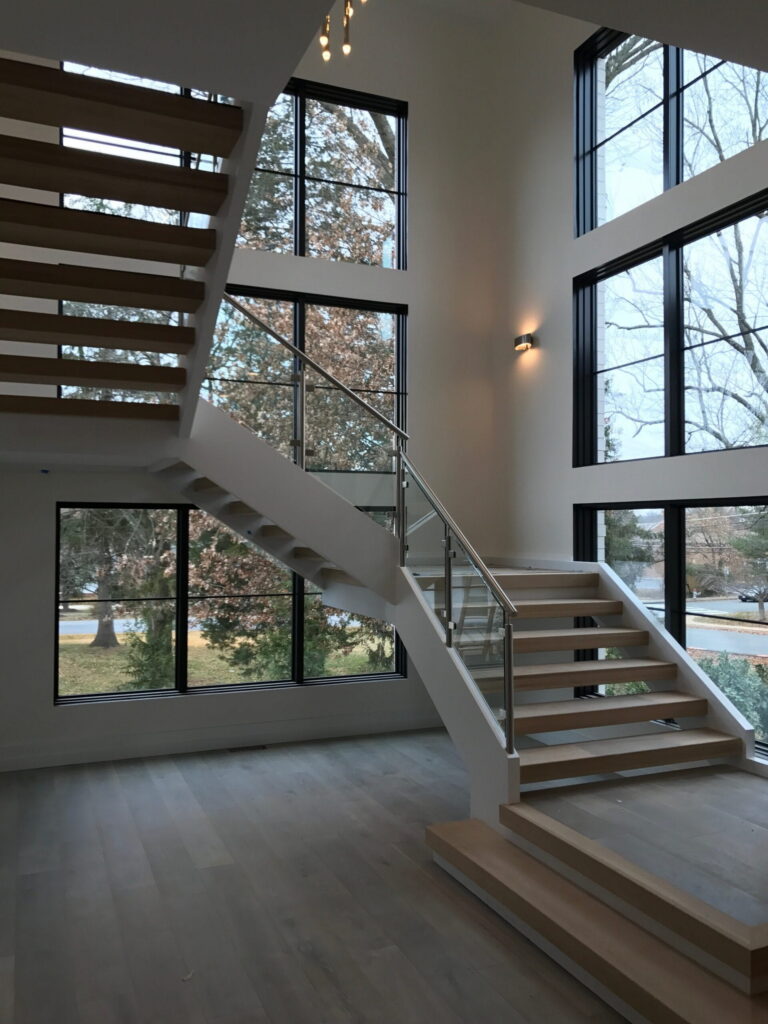
Myth #1: Floating Staircases Are Weak
Reality: Floating staircases are supported by engineered structural systems designed to handle significant loads.
Myth #2: Open Risers Are Automatically Unsafe
Reality: Open riser staircases can be completely safe when designed to comply with applicable building codes.
Myth #3: Glass Railings Break Easily
Reality: Tempered glass stair railings used in staircase systems is specifically engineered for safety and durability.
Myth #4: Floating Staircases Move or Bounce
Reality: Properly engineered staircases should feel solid and stable during normal use.
Why Professional Engineering Matters for Floating Staircases
The difference between a safe floating staircase and a problematic installation often comes down to engineering expertise.
Professional staircase specialists provide:
- Structural analysis
- Load calculations
- Code compliance review
- Material selection guidance
- Precision fabrication
- Professional installation
Working with experienced staircase builders helps ensure your investment remains safe, functional, and visually impressive.
Are Floating Staircases Safe Long-Term?
Yes. Professionally engineered floating staircases are designed for long-term performance.
With quality materials, proper installation, and routine maintenance, floating staircases can provide decades of safe use while maintaining their architectural appeal.
For Nashville homeowners seeking a modern statement feature, floating staircases offer both beauty and structural reliability when designed by qualified professionals.
Frequently Asked Questions Connected to “Are Floating Staircases Safe?”
Are floating staircases safe for children?
Yes. Floating staircases can be designed with child-safe spacing, guardrails, and other safety features that improve protection for families.
Do floating staircases meet building codes?
Yes. Professionally designed floating staircases are engineered to comply with applicable local building codes and safety requirements.
Are glass railings safe?
Yes. Tempered glass railings are specifically designed for structural safety and durability.
Can floating staircases support heavy loads?
Yes. Floating staircases are engineered to support residential load requirements and daily use.
Are open riser stairs safe?
Yes. Open riser stair safety depends on proper engineering, code compliance, and professional installation.
Ready to Build a Safe and Stunning Floating Staircase?
If you’re considering a custom floating staircase for your Nashville home, working with experienced designers and structural specialists is the best way to ensure lasting safety, exceptional craftsmanship, and full compliance with building codes. At Image Design Stairs, we design and build custom floating staircases that combine innovative engineering with timeless luxury.
Contact Image Design Stairs today to schedule your floating staircase design consultation and discover how a professionally engineered staircase can transform your Nashville home.